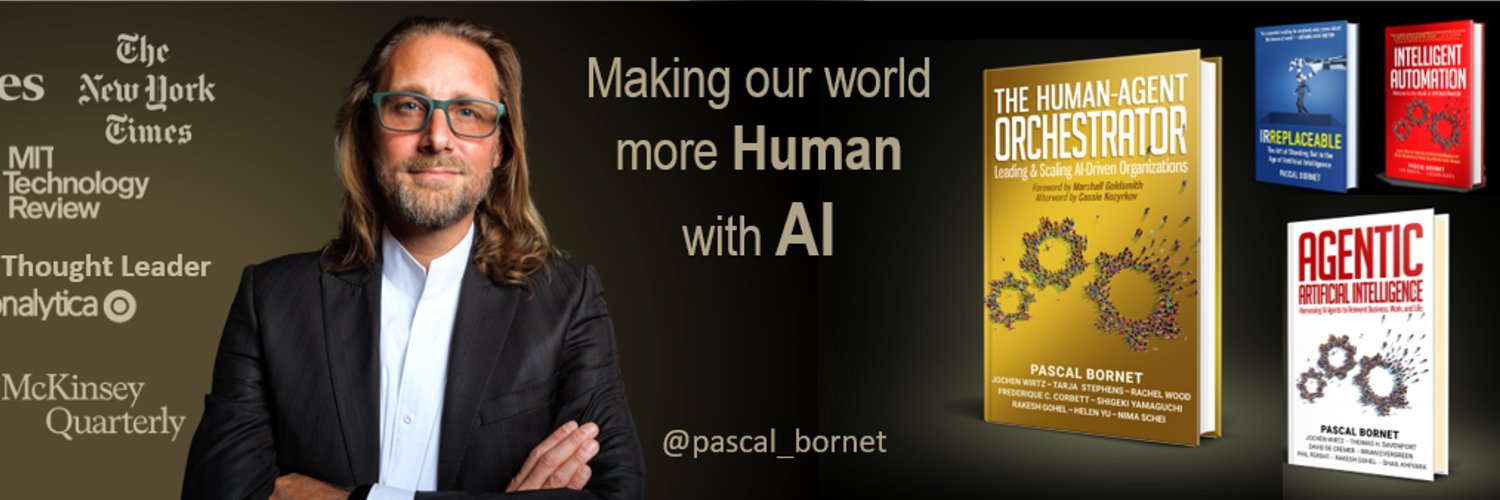

Pascal Bornet (@pascal_bornet)
@pascal_bornet
Award-winning Expert, Author, and Keynote Speaker on AI and Automation
922 正在关注 122.4K 粉丝
𝗜'𝘃𝗲 𝗻𝗼𝘁𝗶𝗰𝗲𝗱 𝘀𝗼𝗺𝗲𝘁𝗵𝗶𝗻𝗴 𝘂𝗻𝗲𝘅𝗽𝗲𝗰𝘁𝗲𝗱 𝗮𝗳𝘁𝗲𝗿 𝗵𝘂𝗻𝗱𝗿𝗲𝗱𝘀 𝗼𝗳 𝗰𝗼𝗻𝘃𝗲𝗿𝘀𝗮𝘁𝗶𝗼𝗻𝘀 𝗮𝗯𝗼𝘂𝘁 𝗔𝗜.
Most people want to talk about productivity.
How much time can AI save? Which tasks should it automate? How quickly can it improve performance?
Those are important questions, but I've become increasingly convinced that they're not the most interesting ones.
What fascinates me is what happens when AI changes the way people see themselves, because confidence often comes before capability. People rarely pursue opportunities they don't believe they're ready for.
𝗧𝗵𝗲 𝗺𝗼𝘀𝘁 𝘃𝗮𝗹𝘂𝗮𝗯𝗹𝗲 𝗔𝗜 𝗱𝗼𝗲𝘀𝗻'𝘁 𝗷𝘂𝘀𝘁 𝗺𝗮𝗸𝗲 𝘂𝘀 𝗺𝗼𝗿𝗲 𝗲𝗳𝗳𝗶𝗰𝗶𝗲𝗻𝘁. 𝗜𝘁 𝗺𝗮𝗸𝗲𝘀 𝗼𝘂𝗿 𝗽𝗼𝘁𝗲𝗻𝘁𝗶𝗮𝗹 𝗳𝗲𝗲𝗹 𝗺𝗼𝗿𝗲 𝗿𝗲𝗮𝗹.
That's the side of AI I hope we invest in more. Not only systems that help us work faster, but systems that encourage people to think bigger about what they might become.
𝗪𝗵𝗮𝘁'𝘀 𝗼𝗻𝗲 𝘄𝗮𝘆 𝘆𝗼𝘂'𝘃𝗲 𝘀𝗲𝗲𝗻 𝗔𝗜 𝗶𝗻𝗰𝗿𝗲𝗮𝘀𝗲 𝘀𝗼𝗺𝗲𝗼𝗻𝗲'𝘀 𝗰𝗼𝗻𝗳𝗶𝗱𝗲𝗻𝗰𝗲, 𝗻𝗼𝘁 𝗷𝘂𝘀𝘁 𝘁𝗵𝗲𝗶𝗿 𝗽𝗿𝗼𝗱𝘂𝗰𝘁𝗶𝘃𝗶𝘁𝘆?
#Humics# #AIReadiness# #EducationInnovation# #HumanPotential#
显示更多

𝗪𝗲 𝗸𝗲𝗲𝗽 𝘁𝗮𝗹𝗸𝗶𝗻𝗴 𝗮𝗯𝗼𝘂𝘁 𝘀𝗺𝗮𝗿𝘁𝗲𝗿 𝗔𝗜. 𝗜 𝘁𝗵𝗶𝗻𝗸 𝘄𝗲'𝗿𝗲 𝘂𝗻𝗱𝗲𝗿𝗲𝘀𝘁𝗶𝗺𝗮𝘁𝗶𝗻𝗴 𝘀𝗺𝗮𝗿𝘁𝗲𝗿 𝗰𝗼𝗼𝗿𝗱𝗶𝗻𝗮𝘁𝗶𝗼𝗻.
China recently set a Guinness World Record by coordinating 11,787 drones in a single performance. The record is impressive, but it wasn't the number that caught my attention.
It was the fact that thousands of independent systems behaved as if they were one.
That feels like a much bigger story.
For decades, organizations created value by making individuals more productive. AI is changing that equation because the next leap in performance won't necessarily come from smarter people or even smarter tools. It will come from designing systems where thousands of decisions happen in harmony instead of in isolation.
𝗧𝗵𝗲 𝗻𝗲𝘅𝘁 𝗰𝗼𝗺𝗽𝗲𝘁𝗶𝘁𝗶𝘃𝗲 𝗮𝗱𝘃𝗮𝗻𝘁𝗮𝗴𝗲 𝘄𝗼𝗻'𝘁 𝗯𝗲 𝘁𝗵𝗲 𝘀𝗺𝗮𝗿𝘁𝗲𝘀𝘁 𝗔𝗜. 𝗜𝘁 𝘄𝗶𝗹𝗹 𝗯𝗲 𝘁𝗵𝗲 𝗯𝗲𝘀𝘁-𝗼𝗿𝗰𝗵𝗲𝘀𝘁𝗿𝗮𝘁𝗲𝗱 𝗔𝗜.
That's why I believe orchestration is becoming one of the defining management skills of this decade. Whether we're coordinating people, AI agents, or autonomous machines, the challenge is no longer individual intelligence.
It's collective intelligence.
𝗧𝗵𝗲 𝗼𝗿𝗴𝗮𝗻𝗶𝘇𝗮𝘁𝗶𝗼𝗻𝘀 𝘁𝗵𝗮𝘁 𝘄𝗶𝗻 𝘄𝗼𝗻'𝘁 𝘀𝗶𝗺𝗽𝗹𝘆 𝗱𝗲𝗽𝗹𝗼𝘆 𝗺𝗼𝗿𝗲 𝗔𝗜. 𝗧𝗵𝗲𝘆'𝗹𝗹 𝗱𝗲𝘀𝗶𝗴𝗻 𝘀𝘆𝘀𝘁𝗲𝗺𝘀 𝘄𝗵𝗲𝗿𝗲 𝗶𝗻𝗱𝗶𝘃𝗶𝗱𝘂𝗮𝗹 𝗶𝗻𝘁𝗲𝗹𝗹𝗶𝗴𝗲𝗻𝗰𝗲 𝗯𝗲𝗰𝗼𝗺𝗲𝘀 𝗰𝗼𝗹𝗹𝗲𝗰𝘁𝗶𝘃𝗲 𝗶𝗻𝘁𝗲𝗹𝗹𝗶𝗴𝗲𝗻𝗰𝗲.
When you look at your organization today, is your biggest opportunity hiring smarter people, adopting smarter AI, or orchestrating what you already have more effectively?
#HumanAgentOrchestrator# #OrchestrationDesign# #AgenticAI# #AIReadiness#
显示更多

𝗧𝗵𝗶𝘀 𝗺𝗮𝗱𝗲 𝗺𝗲 𝘀𝘁𝗼𝗽 𝗮𝗻𝗱 𝘁𝗵𝗶𝗻𝗸.
Japan has experimented with floor tiles that generate electricity from people's footsteps. The amount of energy each step produces is tiny, which means this isn't going to replace the power grid.
But I don't think the electricity is the interesting part.
Every day, thousands of people walk through the same station. Most of us see a crowd moving from one platform to another. Someone else looked at those same footsteps and saw energy that had been ignored all along.
That is a very different way of thinking.
We often assume innovation begins by building something bigger. And yet many breakthroughs begin by asking a much simpler question.
𝗪𝗵𝗮𝘁 𝘃𝗮𝗹𝘂𝗲 𝗮𝗿𝗲 𝘄𝗲 𝗮𝗹𝗿𝗲𝗮𝗱𝘆 𝗰𝗿𝗲𝗮𝘁𝗶𝗻𝗴 𝘁𝗵𝗮𝘁 𝘄𝗲'𝗿𝗲 𝘀𝗶𝗺𝗽𝗹𝘆 𝗳𝗮𝗶𝗹𝗶𝗻𝗴 𝘁𝗼 𝗰𝗮𝗽𝘁𝘂𝗿𝗲?
The same principle applies far beyond energy. The strongest organizations don't always win because they have more resources. Quite often, they win because they redesign existing systems to recover value that everyone else has accepted as waste.
𝗦𝗼𝗺𝗲𝘁𝗶𝗺𝗲𝘀 𝘁𝗵𝗲 𝗯𝗶𝗴𝗴𝗲𝘀𝘁 𝗯𝗿𝗲𝗮𝗸𝘁𝗵𝗿𝗼𝘂𝗴𝗵 𝗶𝘀𝗻'𝘁 𝗯𝘂𝗶𝗹𝗱𝗶𝗻𝗴 𝘀𝗼𝗺𝗲𝘁𝗵𝗶𝗻𝗴 𝗻𝗲𝘄. 𝗜𝘁'𝘀 𝗳𝗶𝗻𝗮𝗹𝗹𝘆 𝘀𝗲𝗲𝗶𝗻𝗴 𝘄𝗵𝗮𝘁 𝘄𝗮𝘀 𝗮𝗹𝘄𝗮𝘆𝘀 𝘁𝗵𝗲𝗿𝗲.
What is one process in your organization that everyone takes for granted, but might actually be hiding untapped value?
#OrchestrationDesign# #SystemsThinking# #SustainableInnovation# #AIReadiness#
显示更多





